Desishub Automation · Technology
Engineering you can trust with your doors
Offline-first architecture, per-device encryption, and a retrofit approach that respects your building — here's how the system actually works.
- Works offline
- Mobile Money billing
- Local support, Kampala
- Retrofit — no rip & replace

System architecture
The architecture, drawn
Devices talk to the local hub; the hub syncs to our Go backend; your apps see everything. The internet connects the layers — it never gates them.
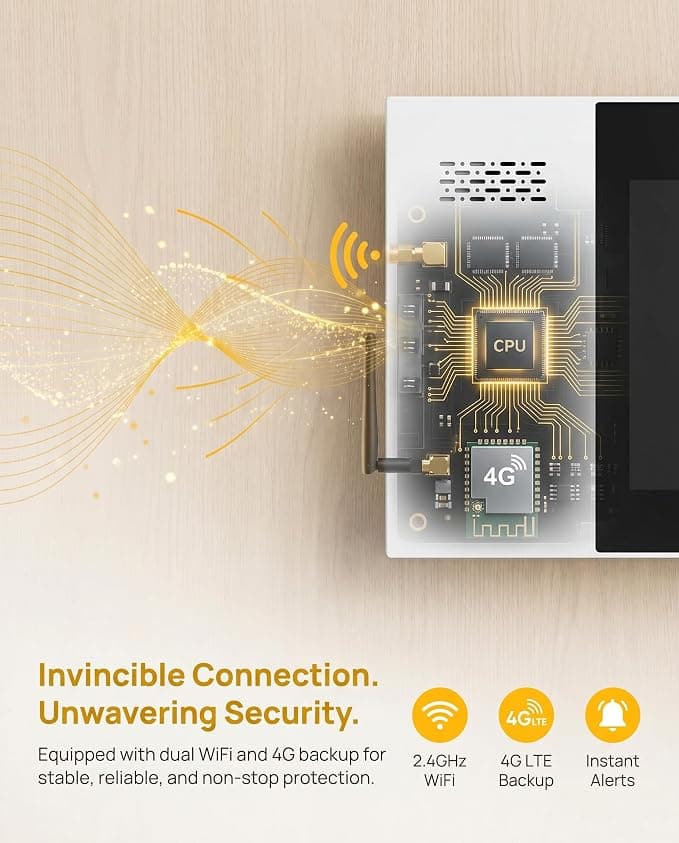
Inside the hardware
Serious silicon, not toys
Dual connectivity, proper CPUs, and battery backup — the same component classes running in our commercial installs across Kampala.
- Dual WiFi + 4G connectivity
- Battery-backed operation
- Tamper detection
- Industrial-grade components
The architecture
Four layers, each doing one job well
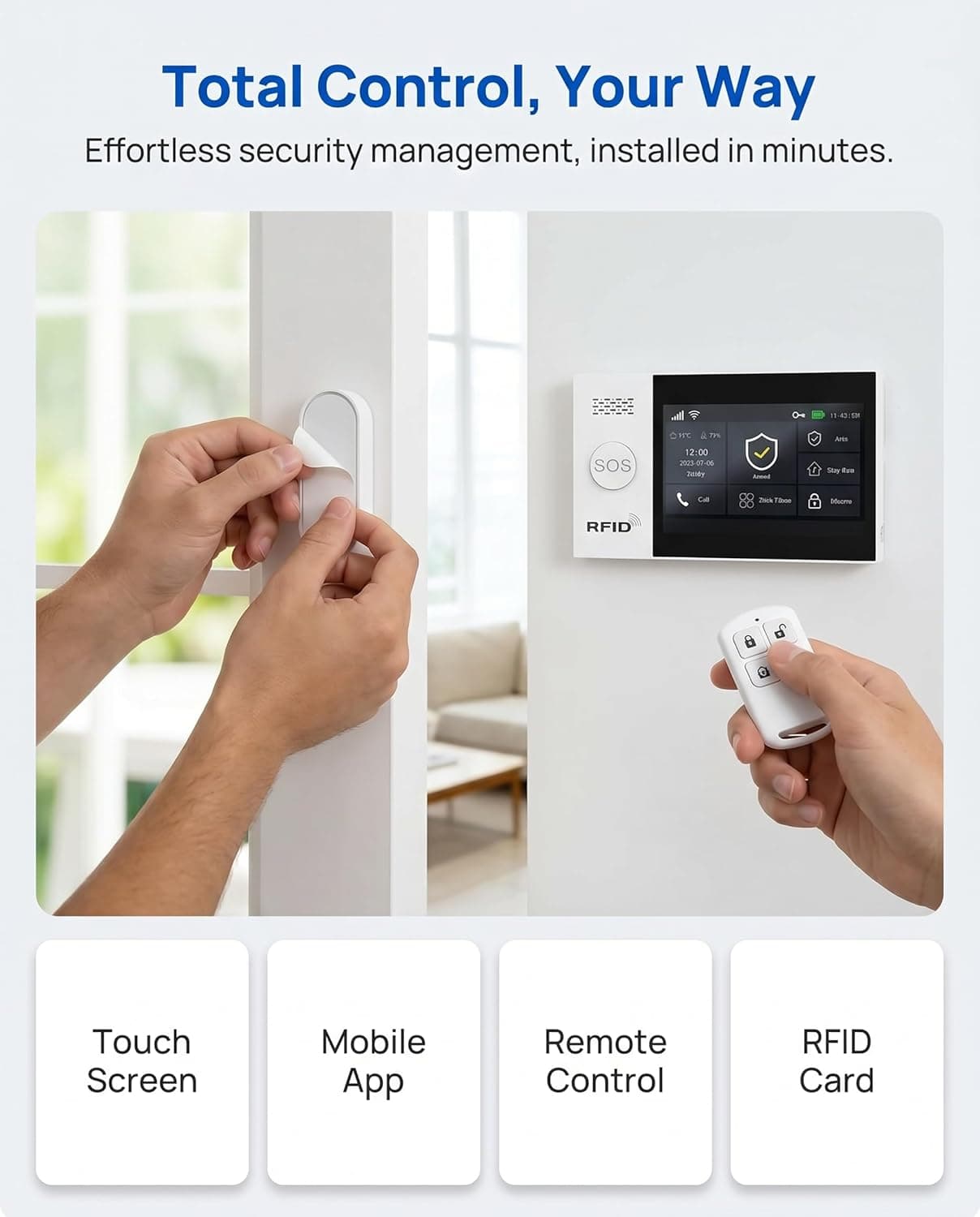
Devices → local hub → Desishub backend → your apps. The internet connects the layers — it never gates them.
Offline-first isn't a feature. It's the foundation.
Access rules live at the door. Scenes live in the hub. The cloud syncs, bills, and analyzes — but nothing a guest or resident needs waits on it. We learned this discipline building Shoppleet, our offline-first POS where the till never waits, and we applied it to every layer of the automation stack. When connectivity returns, every event reconciles automatically.
Security model
Built like the fintech systems we ship
Per-device credentials
Every lock and device carries unique encrypted credentials — compromising one never opens another.
Scoped, expiring access
Guest access is bound to the booking and dies at checkout. Staff access has schedules and scopes.
Encrypted links
Device-to-hub and hub-to-cloud traffic is encrypted end to end, with tamper alerts on anomalies.
Audited & updatable
Full audit trails, instant credential revocation, and secure over-the-air updates across the fleet.
Proven engineering
The same stack that runs our production systems
ESP32 hardware and embedded C++ firmware, MQTT device messaging, a Go backend, and apps in Next.js, Wails, and React Native — built on our open-source Grit Framework. This is not experimental tooling; it's the stack behind FundPier, Shoppleet, DGateway, and HMK Living.
FAQ
Technical questions, answered
For the security-conscious and the curious.
01Why do access decisions happen at the door instead of the cloud?
Because internet in Uganda is intermittent, and a guest locked out of their room at midnight is unacceptable. Each lock stores its own secure list of valid cards, so opening a door takes milliseconds with no network involved. The cloud is for management, sync, and analytics — never in the critical path of getting into a room.
02What technology stack does Desishub Automation run on?
ESP32-class embedded hardware with firmware in embedded C++, MQTT for device messaging, a Go backend, and apps built with Next.js (web), Wails (desktop), and React Native (mobile) — the same production stack behind our software products, including our open-source Grit Framework.
03What happens during a power cut?
Locks run on long-life batteries (with low-battery alerts long before they're empty), and the hub can run on a small backup supply. Lights obviously need power to be on, but access control and the audit trail never stop.
04Can the system be hacked?
We engineer against it seriously: encrypted per-device credentials, signed firmware updates, no default passwords, scoped role-based access in the apps, and instant revocation. Perfect security doesn't exist, but our systems are dramatically harder targets than imported locks running unpatched, unlicensed Windows software — and when something needs attention, there's a local team accountable for it.
05How does the retrofit installation actually work?
Three techniques: relays fit behind your existing wall switches (your switches keep working normally), infrared blasters control existing TVs and ACs exactly like their remotes, and card locks replace just the door's lock mechanism — not the door. Most rooms take a few hours with no rewiring or civil works.
06What support and warranty do you provide?
Kampala-based support on WhatsApp and phone, on-site response under SLA-backed contracts, hardware warranty with a defined RMA process, and continuous software updates as part of the monthly fee. Support isn't an afterthought — it's a core part of the product and the reason to choose local.
Still have questions? We're a message away.
Talk to an engineer, not a salesperson
Ask the hard questions — offline behavior, security model, failure modes. Our engineers answer directly on WhatsApp.